Our selection of coffee beans is the first step in creating the unmistakable flavor of Caimac Coffee.
From the best coffee-growing regions in the world, we chose the finest highland beans. Sometimes referred to as the coffee belt, the equatorial region, has the ideal growing conditions. From 23 degrees north to 25 degrees south of the equator, only tropical and subtropical climates are suitable for the cultivation of coffee. This region's coffee-growing areas come together to form a mythical "coffee belt" that stretches around the entire planet.

COMPONENTS OF TASTE

Over 800 different flavors and smells can be found in each coffee bean. Contrary to how our mouths experience flavor, our nostrils enable us to distinguish between an incredible range of scents (bitter, salty, sour, sweet, umami).
One of the most frequent mistakes people make while trying to develop their taste is ignoring the aroma of coffee. Since smell and taste are closely intertwined, almost all of the complex and intriguing flavors found in coffee are connected to the scent of the cup.
One of the most difficult, yet most rewarding, steps you can take to improve your coffee tasting is to take the time to enjoy the complexities of coffee aroma.
Coffee's body is simple to imagine, but maybe not so simple to see. The tool you use to evaluate your body is your palate, or roof of your mouth. And when attempting to depict the body, milk is a useful analogy.
The taste of skim milk is milder than that of whole milk. Coffee with a heavy body will therefore feel heavier than coffee with a light body. Variety, roasting, and brewing techniques are important.
A coffee cupper views the coffee's body as a measure of its intensity in terms of weight, the sense of richness that the freshly brewed coffee imparts, and its heft. Although this is often regarded as a good thing, some people find the "grit" or "oilyness" of some coffees to be unpleasant and really prefer smooth, filtered coffees.
It only takes three words to explain this frequently misunderstood coffee attribute. Imagine something that is bright, clear, and clean. Coffee's acidity is comparable to that of a fine, dry wine. It is quite gratifying. Without acidity, coffee usually tastes flat and tasteless.
As you may expect, coffees from various growing climates or plant species will have varying levels of acidity. When you can identify the snappy, sharp, wine-like undertone that is the hallmark of a superb coffee. You will find out that there is a high or well-defined acidity present.
Acidity genuinely describes the fruity and tangy characteristics of coffee. Delicate acidity in coffee is seen as a favorable attribute and an indicator of great quality. It adds complexity, brightness, and freshness to the beans.
One of the key criteria used to assess any coffee is sweetness, which can significantly raise a mediocre cup of coffee to a terrific one. Sweetness is a moderate, smooth coffee flavor sensation that is free of any harsh tastes or flavor flaws.
This sweet quality is frequently described as a pleasant or fruity flavor that mostly manifests at the tip of the tongue. Professionals use the term "sweet" to express the strength of the coffee's sugary characteristics.
Even the most acidic cup of coffee can benefit from the addition of sweetness, which makes it luscious and pleasant. The sweetness of the coffee also allows the other elements of the cup to shine through and creates an easy finish for the taster.
Bitterness is a dominant flavor sensation, sometimes described as a twinge or aftertaste, that is largely felt on the soft palate in the back of the tongue and is caused by a mixture of quinine, caffeine, and other alkaloids.
One of the four fundamental tastes, along with tartaric acid, sugar, sodium chloride, and bitterness (quinine), is tasted in the back of the mouth. In some cases, bitterness in coffee is desired, especially in dark roast espresso.
Coffee beans of the Robusta variety are often bitterer than Arabica coffee beans. A well-balanced bitterness in coffee may increase the fullness of its flavor and produce an appealing taste.
Just as significant as the first flavor is the coffee's finish or aftertaste. While the first sip of coffee gives the drinker a chance to form an initial opinion of the cup and prepares the mouth for subsequent tastes, the finish is what really sticks with us since it lingers even after the last sip.
With possible undertones of caramel, fruitiness, smokiness, roastiness, and other flavors, aftertastes might range from chocolaty to carbony, turpeny to spicy.
The perfect cup of coffee should have a crisp, clear finish that stays faithful to the fundamental tastes generated by its attributes. A well-balanced coffee is one in which no single flavor characteristic dominates or overpowers the others.
WHICH IS WHICH?
The darker, the espresso.
The shorter, the filter coffee.
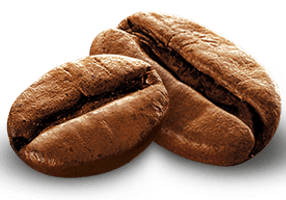
It is only through roasting that the beans acquire the typical brown color associated with coffee. Within the first few minutes, fruit acids are formed, which are increasingly reduced according to the roasting time. This means that the longer the coffee bean is roasted, the less acidic the end product. Longer roasting intensifies both the color and the taste of the beans. Longer roasting of the coffee results in more intense color and flavor in the beans, giving espresso its signature bittersweet flavor.
Light Roast
A light roast can be closer to your taste if you don't like really strong coffee. Compared to other roasts, light roast coffee beans are roasted for the shortest period of time. White coffee beans would be the lightest roast. Due to the coffee's lighter brown color and lack of surface oil, cinnamon roast is occasionally used to define it. A shorter roasting period also results in a higher acidity and caffeine concentration, but a mild fragrance. A thin, moderate cup of coffee results from this, having a delicious and fragrant flavor.
Medium Roast
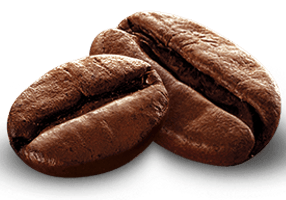
Medium brown in color, with a balance of acidity, flavor and aroma, medium roast coffee has a richer texture than light roast. It also does not have the oily finish found in darker roasts. With a medium roast, the nutty, chocolaty flavors of the beans come out better. Medium roasts are considered to have a balanced flavor. The acidity and body of a medium roast can vary, but are usually somewhere in the middle. They have slightly more body than a light roast and less acidity.
Medium Dark Roast
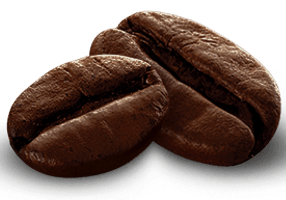
If you want to upgrade your coffee in terms of body and flavor, medium-dark roasted coffee beans offer a strong body and rich aroma with a slightly bittersweet aftertaste. With a medium-dark roast, you can enjoy flavors like bittersweet dark chocolate and dark roasted almonds. Medium-dark roast lovers are usually fans of the French Press, espresso and aeropress brewing methods. If you use a French press, grind the coffee coarsely so it doesn't become too bitter from over-extraction.
Dark Roast
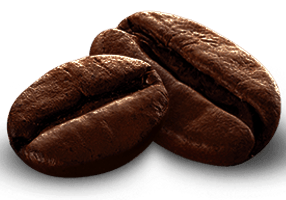
Dark roasts are characterized by a particularly strong body and a heavy mouthfeel, which is preferred by many coffee lovers. The long roasting time brings out the oil of the bean, which can be seen in the brew, and creates a strong, sometimes bitter flavor. Dark roasts have a sweeter flavor because the sugar in the coffee beans has time to caramelize. The longer roasting process helps the coffee develop a richer flavor and full body, often resulting in a buttery finish. They also have the lowest acidity of all coffee roasts. Dark roasts have the lowest caffeine content because they are roasted the longest.
Don't know what blend to chose?
Let's see if we can figure you out.
Please select which words describe you best:

Life is too short to drink bad coffee. So, orchestrate your mornings with a tune of coffee made just for you.
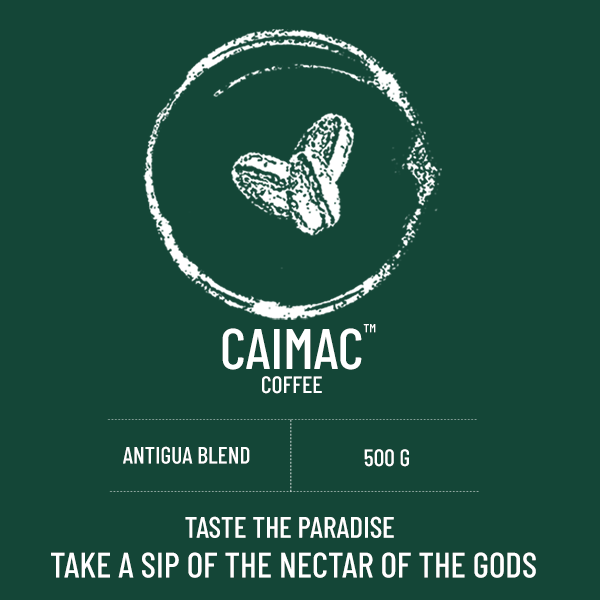
Your ideal blend is:
antigua blend
It's a match made in coffee!
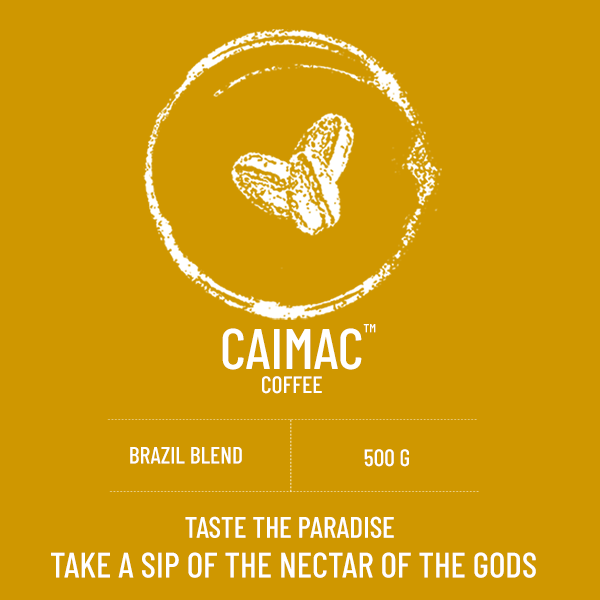
Your ideal blend is:
brazil blend
It's a match made in coffee!
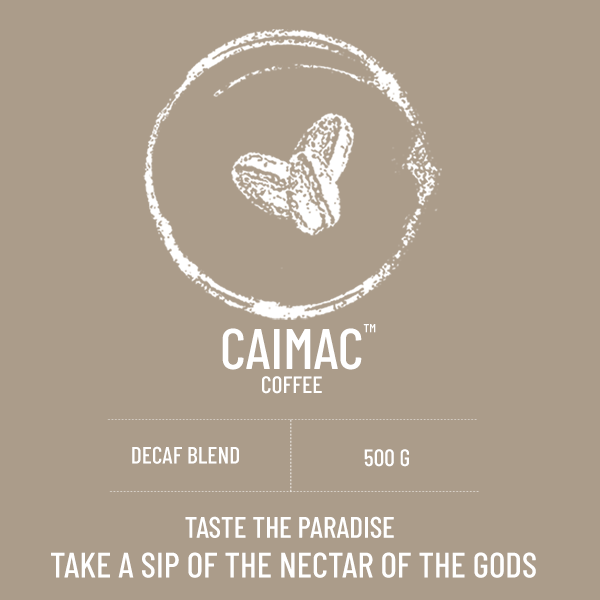
Your ideal blend is:
decaf blend
It's a match made in coffee!
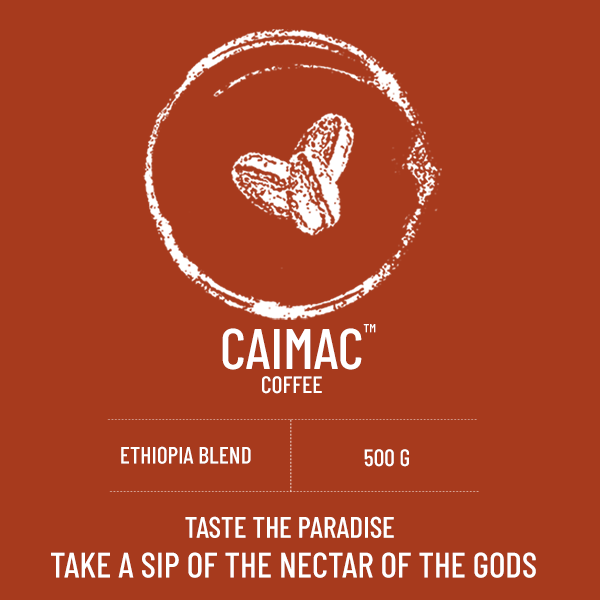
Your ideal blend is:
ethiopia blend
It's a match made in coffee!
Your ideal blend is:
french blend
It's a match made in coffee!
Your ideal blend is:
house blend
It's a match made in coffee!
Your ideal blend is:
treat blend
It's a match made in coffee!
Your ideal blend is:
uganda blend
It's a match made in coffee!
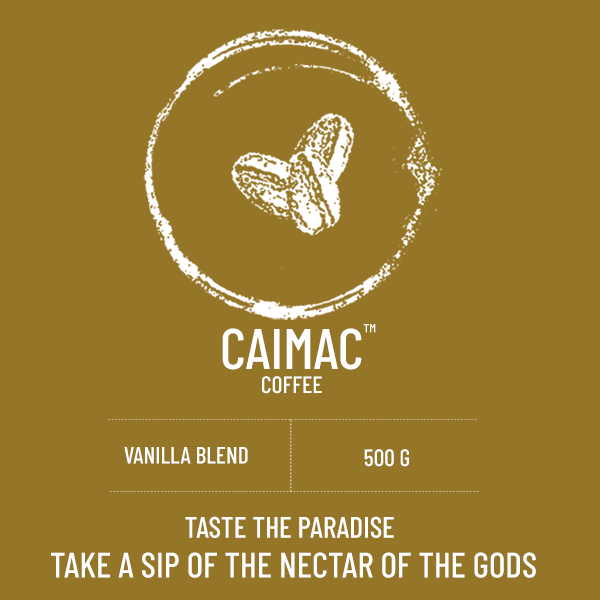
Your ideal blend is:
vanilla blend
It's a match made in coffee!